
3 Proven Ways to Prevent Blood Sugar Crash From Carbs
For millions of health-conscious consumers, enjoying a bowl of traditional pasta or a slice of fresh bread comes with a heavy metabolic tax: the inevitable afternoon energy plunge. However, our ongoing consumer lifestyle research indicates that you do not need to eliminate carbohydrates from your kitchen completely to maintain flatline energy levels all day long. If you follow a few basic scientific food-sequencing rules, you can enjoy your favorite comfort meals and easily prevent blood sugar crash events before they derail your productivity.
The real reason you feel an intense energy slump an hour after eating a bowl of pasta isn’t the carbohydrates themselves. It is the way you are eating them. When you understand how digestion affects your metabolism, you can enjoy these foods while keeping your glucose curves perfectly flat.
Here are three simple, actionable hacks to enjoy carbs without the dreaded crash.
The Biological Framework to Prevent Blood Sugar Crash Symptoms
When you consume simple or refined carbohydrates on an empty stomach, your digestive system breaks down the starches into glucose rapidly. This causes a sudden, steep spike in your circulating insulin levels. While insulin is necessary to clear glucose from your bloodstream, a rapid influx triggers a counter-regulatory overcorrection known as reactive hypoglycemia.
To naturally prevent blood sugar crash symptoms from taking hold, you must create an internal “macronutrient buffer” inside your stomach. This slows down the rate of gastric emptying, allowing glucose to trickle into your bloodstream rather than flood it.
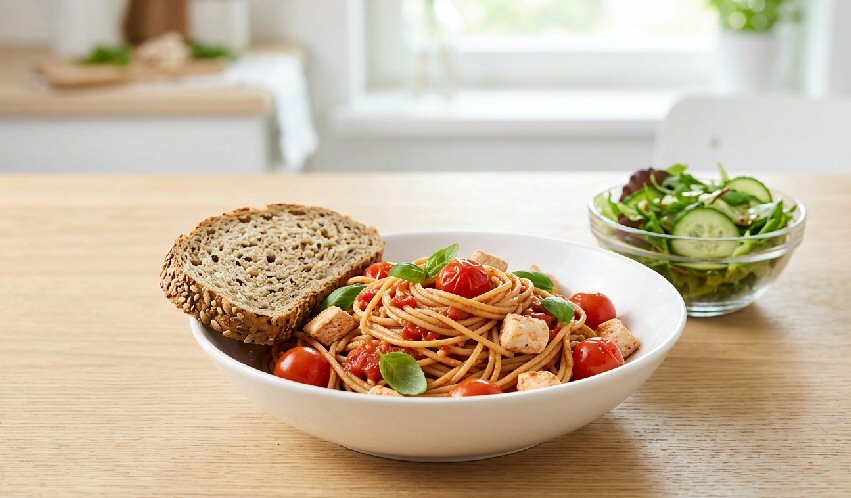
3 Scientific Rules to Prevent Blood Sugar Crash Symptoms
1. Sequence Your Plates Natively: Always consume a lean protein substrate or a high-fiber vegetable before your first bite of bread or pasta. Fiber and protein coat your digestive lining, significantly lowering the glycemic impact of the oncoming starches.
2. Integrate Healthy Fats: Adding a teaspoon of extra virgin olive oil or fresh avocado to your pasta dishes forms an organic lipid shield that successfully dampens postprandial glucose surges.
3. Move Post-Meal: Engaging in just ten minutes of light walking immediately after a meal forces your skeletal muscles to soak up excess glucose for fuel, acting as a physical tool to prevent blood sugar crash fatigue.
Deepen Your Research to Prevent Blood Sugar Crash Events
While shifting your meal-sequencing habits handles the immediate baseline of your daily energy, achieving total metabolic freedom requires a comprehensive look at your unique biology. To get our full clinical data arrays, tracking grids, and food pairing matrices directly from our desk, download our free 5-page special report:
👉 Click here to access the official ZovLabs Glucose and Insulin Optimization Matrix Report.